Cerebral Palsy Stem Cell Treatment: A Promising Therapeutic Approach
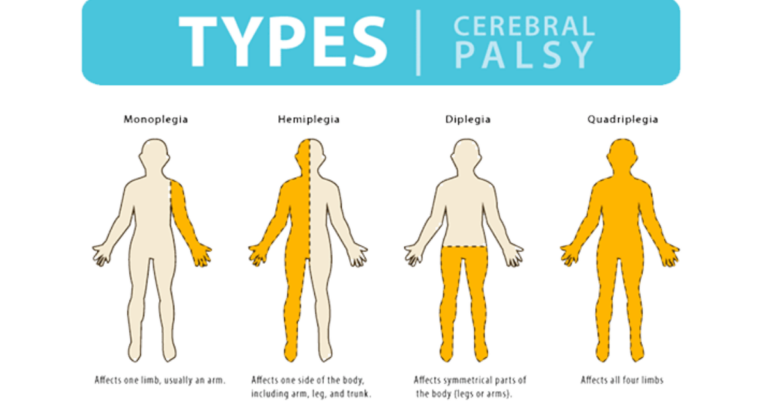
Cerebral palsy is a neurological disorder that affects movement, muscle tone, and coordination. It is often caused by abnormal brain development or damage to the developing brain, usually before birth. Traditional management for cerebral palsy focuses on therapies such as physiotherapy, occupational therapy, speech therapy, medications, and sometimes surgical interventions. While these approaches help improve quality of life and functional abilities, they do not reverse the underlying neurological damage. Recently, Cerebral Palsy Stem Cell Treatment has emerged as a promising approach to address this challenge at its root cause.
Understanding Stem Cells
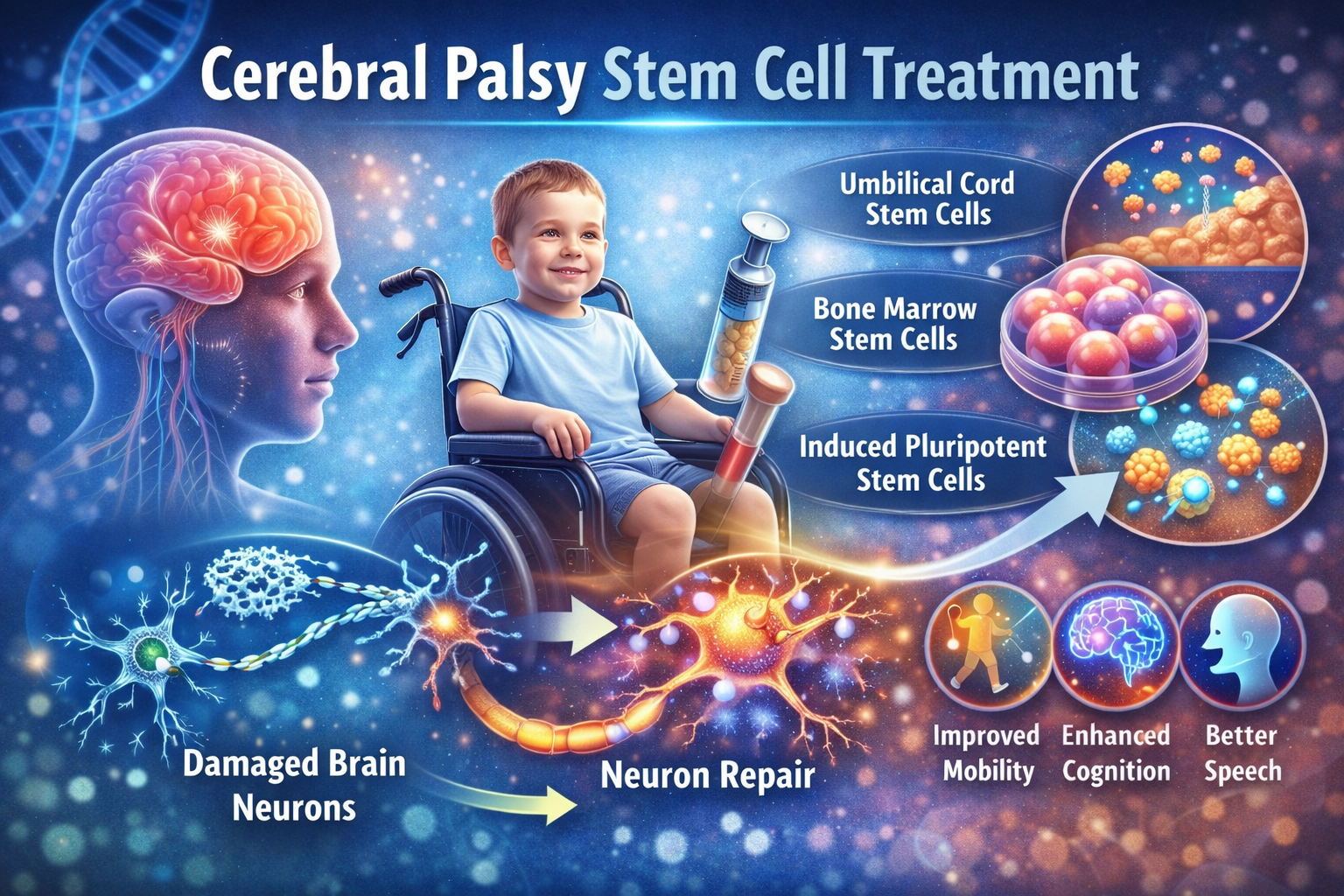
Stem cells are unique cells capable of self-renewal and differentiation into various cell types. Depending on their origin, stem cells can become nerve cells, muscle cells, or other specialized cells. This unique property makes them a potential solution for repairing damaged brain tissues in children with cerebral palsy. Researchers have focused on using stem cells derived from umbilical cord blood, bone marrow, or induced pluripotent stem cells for therapeutic purposes.
How Cerebral Palsy Stem Cell Treatment Works
The fundamental principle of Cerebral Palsy Stem Cell Treatment is to replace or repair damaged neurons in the brain. Stem cells are introduced into the patient’s body, often intravenously or through direct administration into the spinal fluid. Once in the body, these cells migrate toward damaged brain areas and support the repair process. Stem cells help in:
Neuroregeneration: They encourage the formation of new neurons and neural connections.
Reducing inflammation: Stem cells release bioactive molecules that reduce inflammation in the brain.
Secreting growth factors: These factors promote the survival of existing neurons and improve brain function.
Benefits of Stem Cell Therapy in Cerebral Palsy
The potential benefits of Cerebral Palsy Stem Cell Treatment are significant:
Improved Motor Function: Children receiving stem cell therapy may show better muscle tone, improved balance, and coordination.
Enhanced Cognitive Abilities: Some patients experience improvement in memory, attention span, and learning capabilities.
Better Speech and Communication: Speech clarity and verbal communication may improve due to enhanced neural functioning.
Reduced Spasticity: Stem cells may help decrease muscle stiffness and involuntary movements.
Clinical studies and case reports have shown that early intervention with stem cells can result in noticeable improvements, particularly when combined with conventional therapies.
Safety and Risks
Stem cell therapy for cerebral palsy is generally considered safe when conducted in regulated clinical settings. Mild side effects such as fever, headache, or temporary discomfort at the injection site may occur. However, it is crucial to undergo treatment in authorized medical centers to avoid unverified procedures, which may lead to complications.
Factors Affecting Treatment Outcome
The effectiveness of Cerebral Palsy Stem Cell Treatment depends on several factors:
Age of the patient: Younger children may respond better due to greater neural plasticity.
Type and severity of cerebral palsy: Patients with less severe neurological damage often achieve better outcomes.
Source and type of stem cells: Umbilical cord-derived stem cells are widely used due to their safety and regenerative potential.
Number of treatment sessions: Multiple sessions may be required for optimal results.
Future Perspectives
The field of stem cell therapy is rapidly evolving. Ongoing research focuses on refining techniques for cell delivery, enhancing the survival and integration of transplanted cells, and understanding long-term effects. Advanced therapies may combine stem cells with gene editing or tissue engineering to further enhance outcomes.
Conclusion
Cerebral Palsy Stem Cell Treatment offers a revolutionary approach for managing cerebral palsy by targeting the underlying neurological damage. While it is not a guaranteed cure, it has shown promising results in improving motor skills, cognitive functions, and overall quality of life. Families considering this treatment should consult qualified medical professionals and consider combining stem cell therapy with traditional rehabilitation for the best outcomes. With ongoing research and clinical advancements, stem cell therapy may become an integral part of cerebral palsy management in the near future.